 from $50
Near Bijagua
Night Jungle Tour
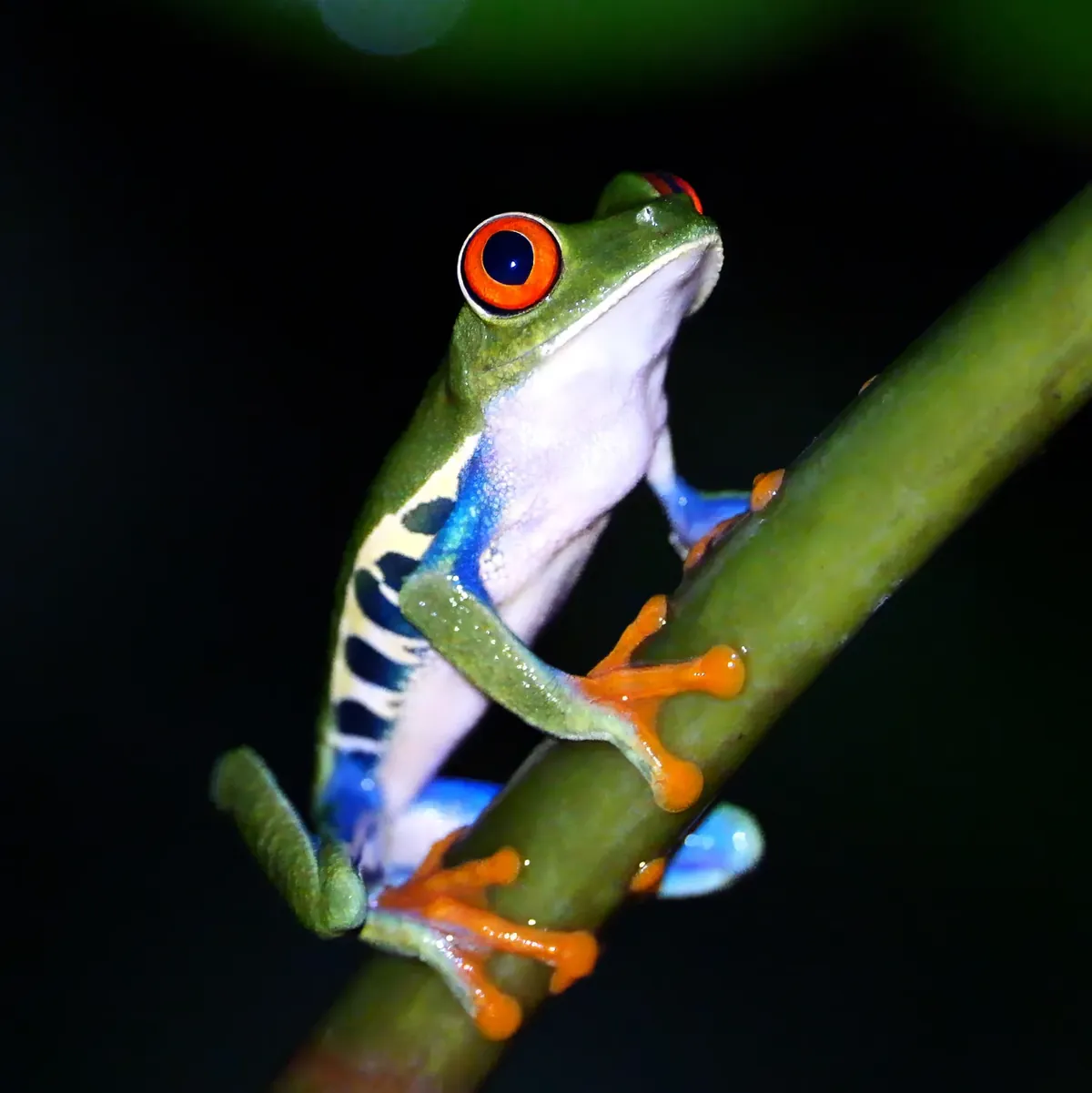
A flashlight walk as the forest wakes up: tree frogs, sleeping birds, sloths and, with luck, snakes. Lights are provided. Private groups of 2 to 8.
Tour details & booking (opens bijaguanaturetours.com)
Tucked between the Tenorio and Miravalles volcanoes, the small farming town of Bijagua is one of the best places in Costa Rica to see a wild Baird’s tapir, and a quiet base for rainforest reserves, hanging bridges, waterfalls and night tours full of frogs.
Featured guides: Bijagua Nature Tours, private tours with local naturalists who grew up in the valley.
Why Bijagua
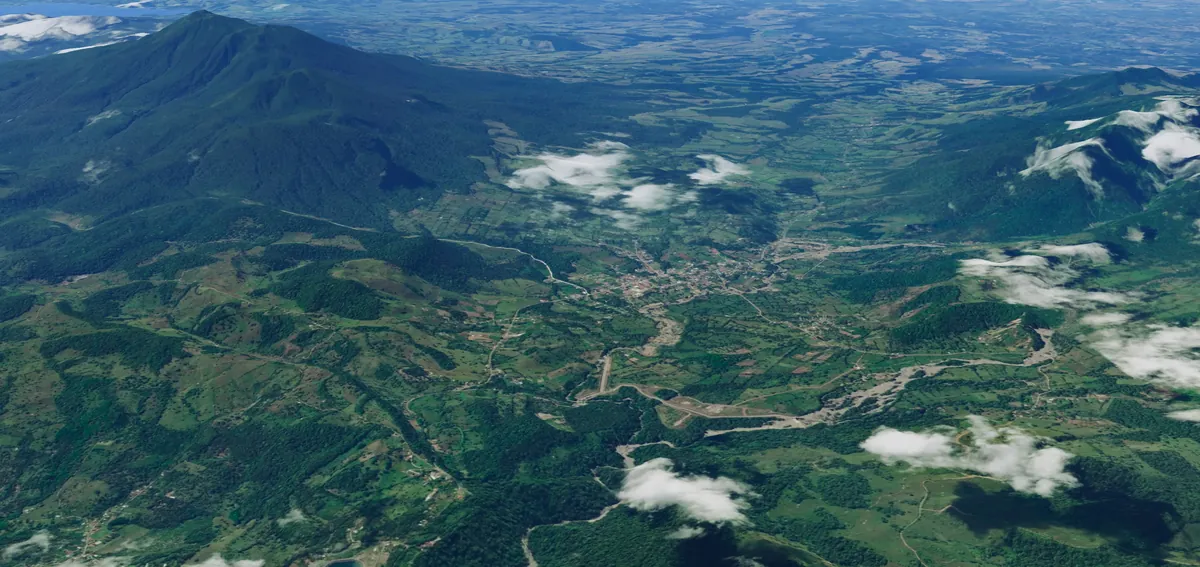
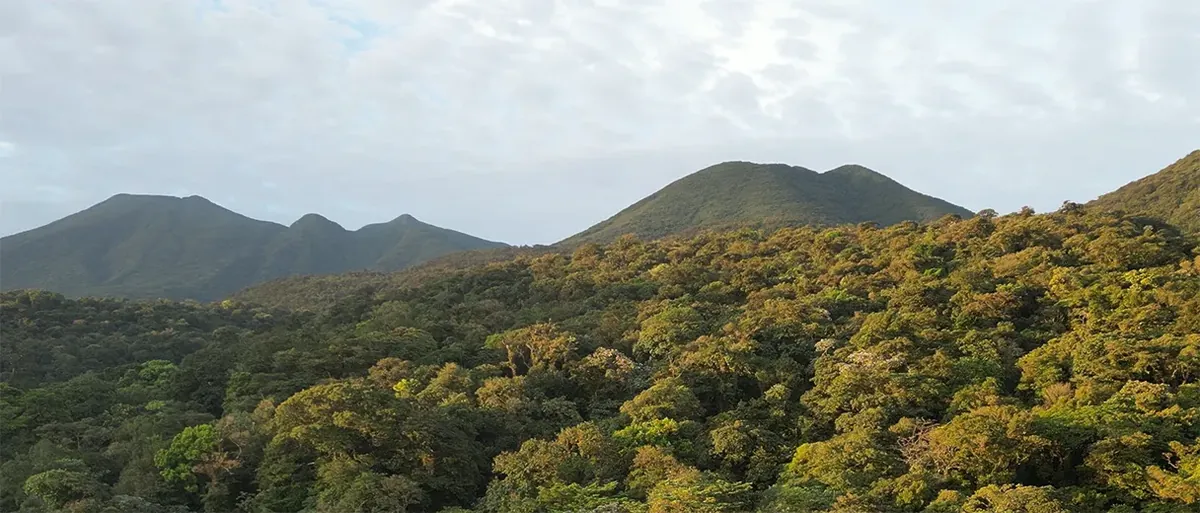
Bijagua sits in the saddle between Volcán Tenorio (1,916 m) and Volcán Miravalles (2,028 m) in northern Costa Rica, where the mountains catch moist air rolling in from the Caribbean.
That meeting of slopes, altitudes and rainfall creates a patchwork of habitats within a few kilometers of town: primary rainforest, misty foothills, lagoons and wetlands, and old pastureland that is quickly turning back into forest. The result is wildlife many travelers spend weeks chasing elsewhere: endangered tapirs on the forest edge, Caribbean-slope hummingbirds at the flowers, and a night chorus of frogs.
Bijagua still feels like a real Costa Rican town. The reserves are family-run, the guides grew up here, and you won’t find the crowds of the better-known parks.
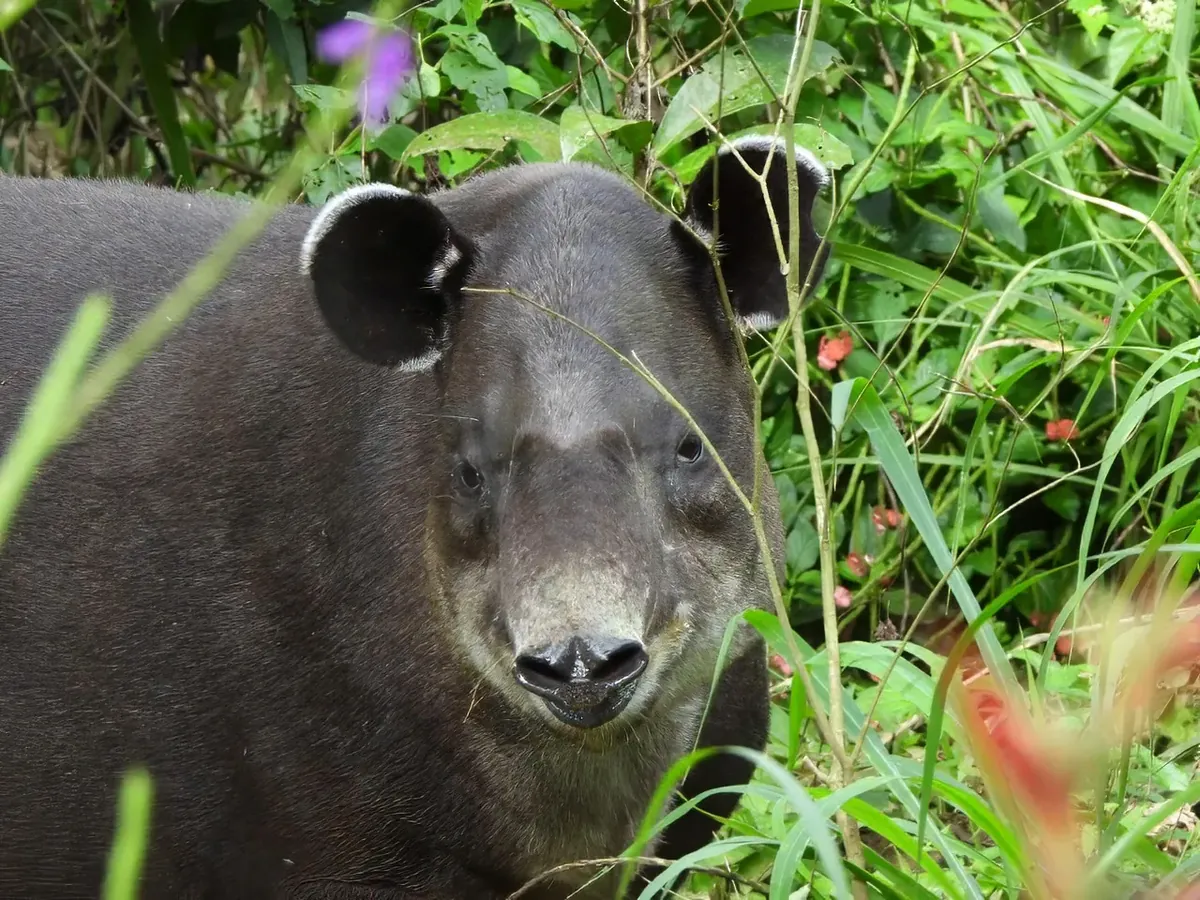
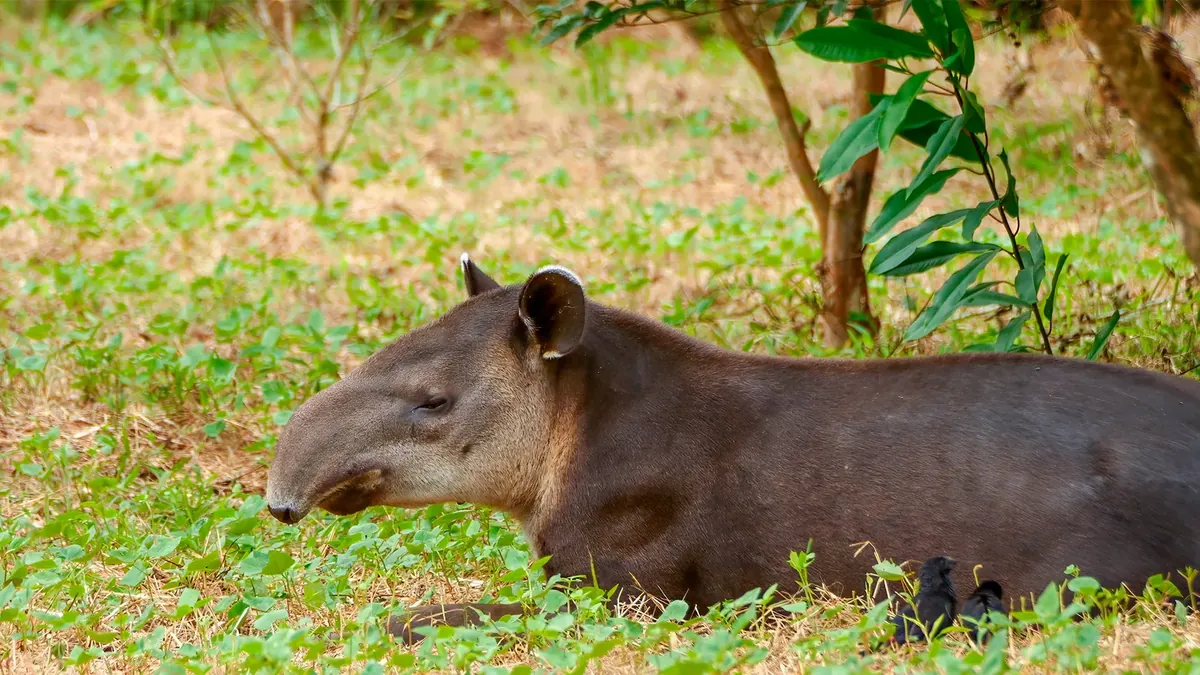
One of the most reliable places in the country to see a wild Baird’s tapir.
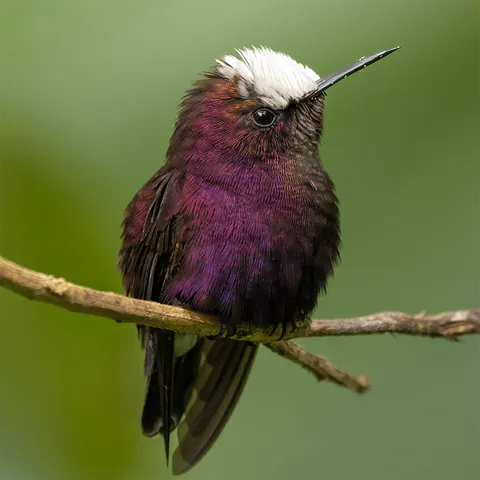
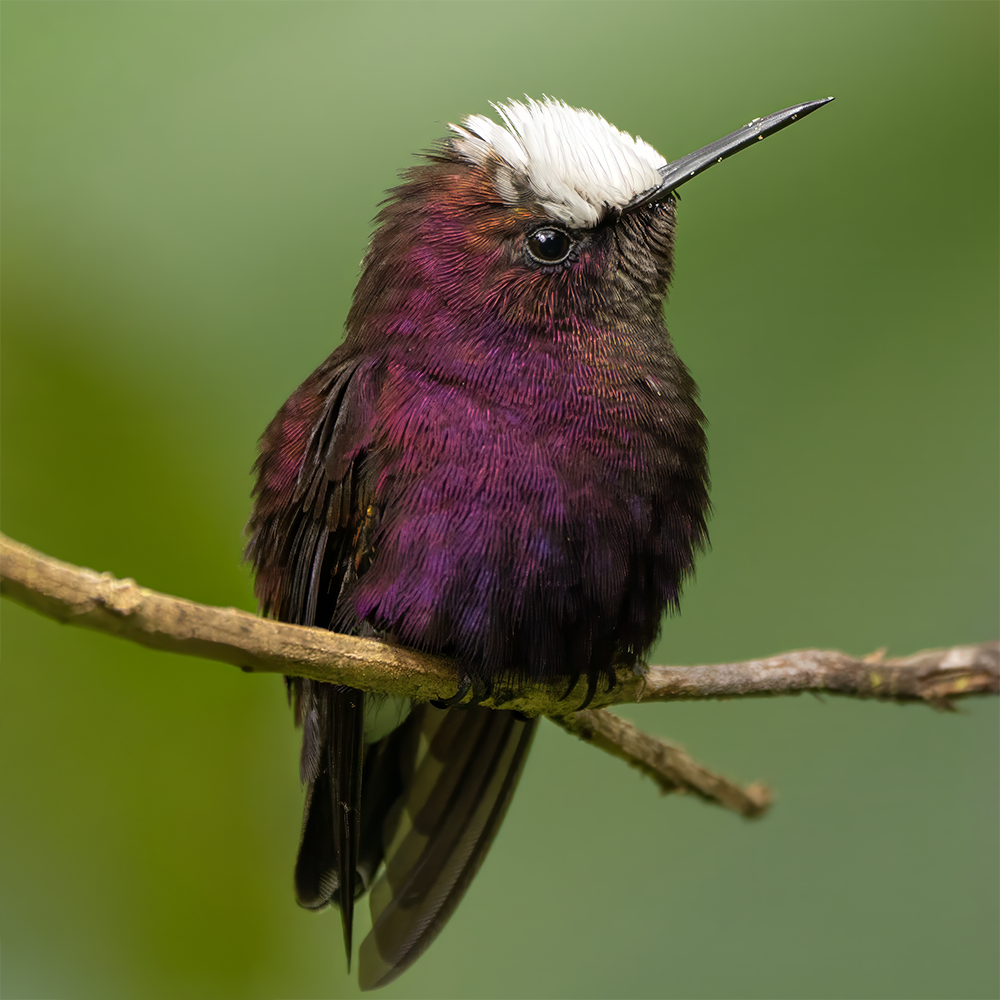
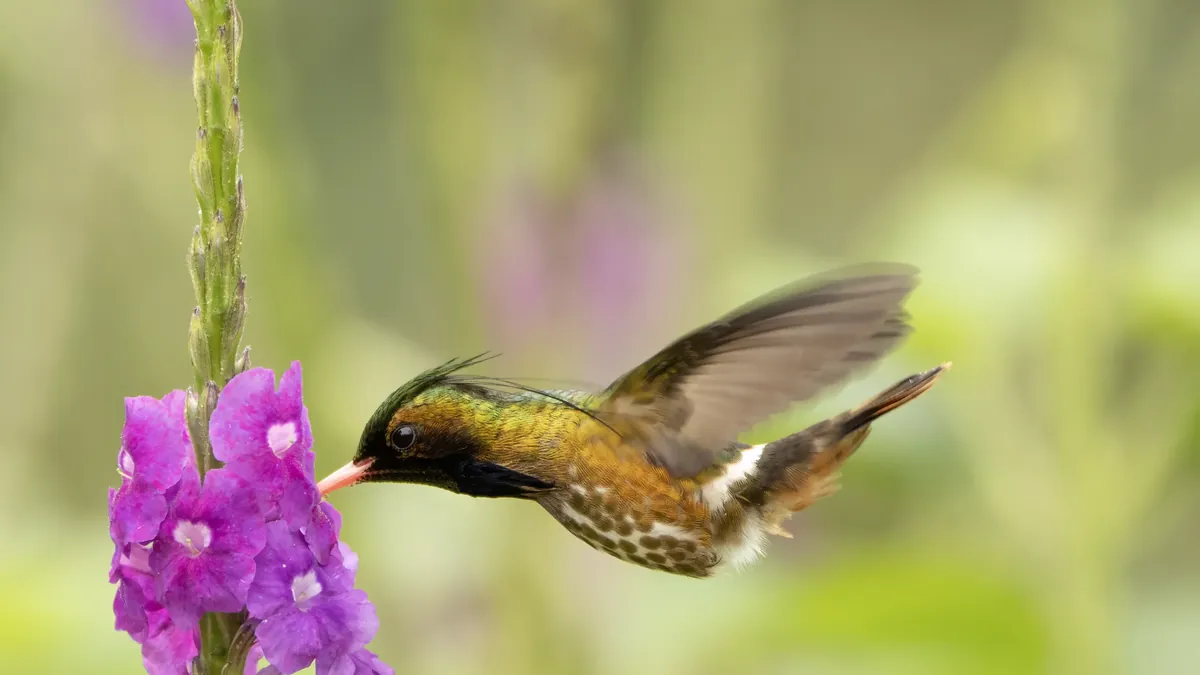
Snowcap, Tody Motmot, Black-crested Coquette and hundreds more species.
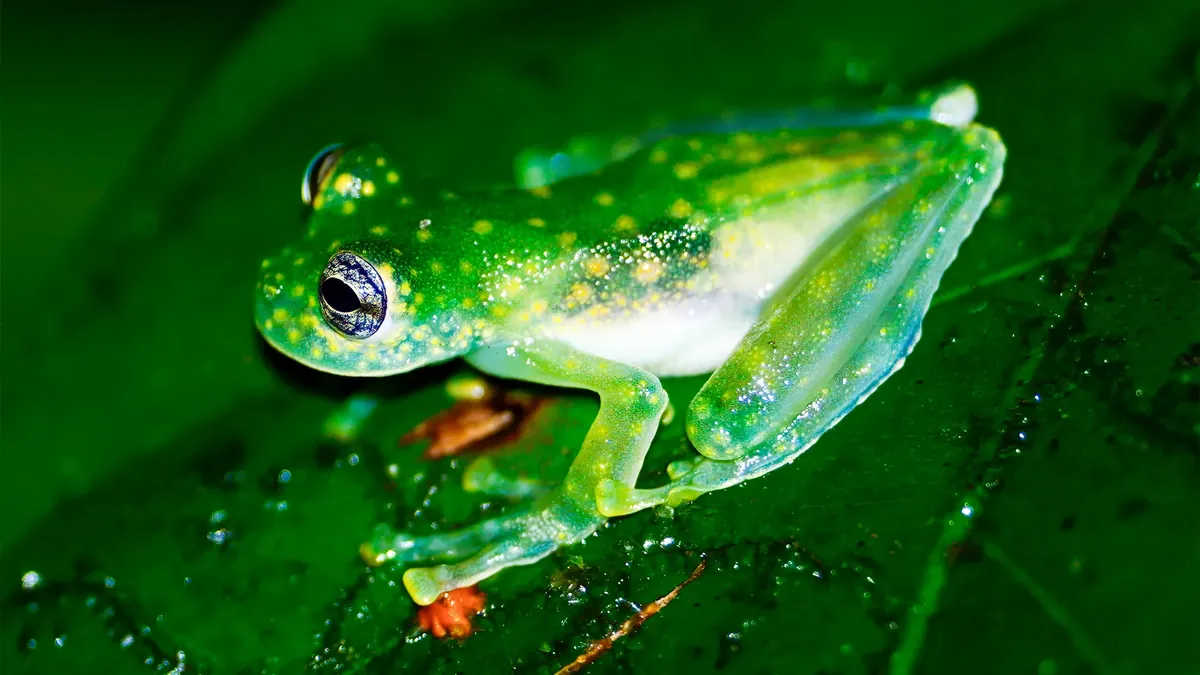
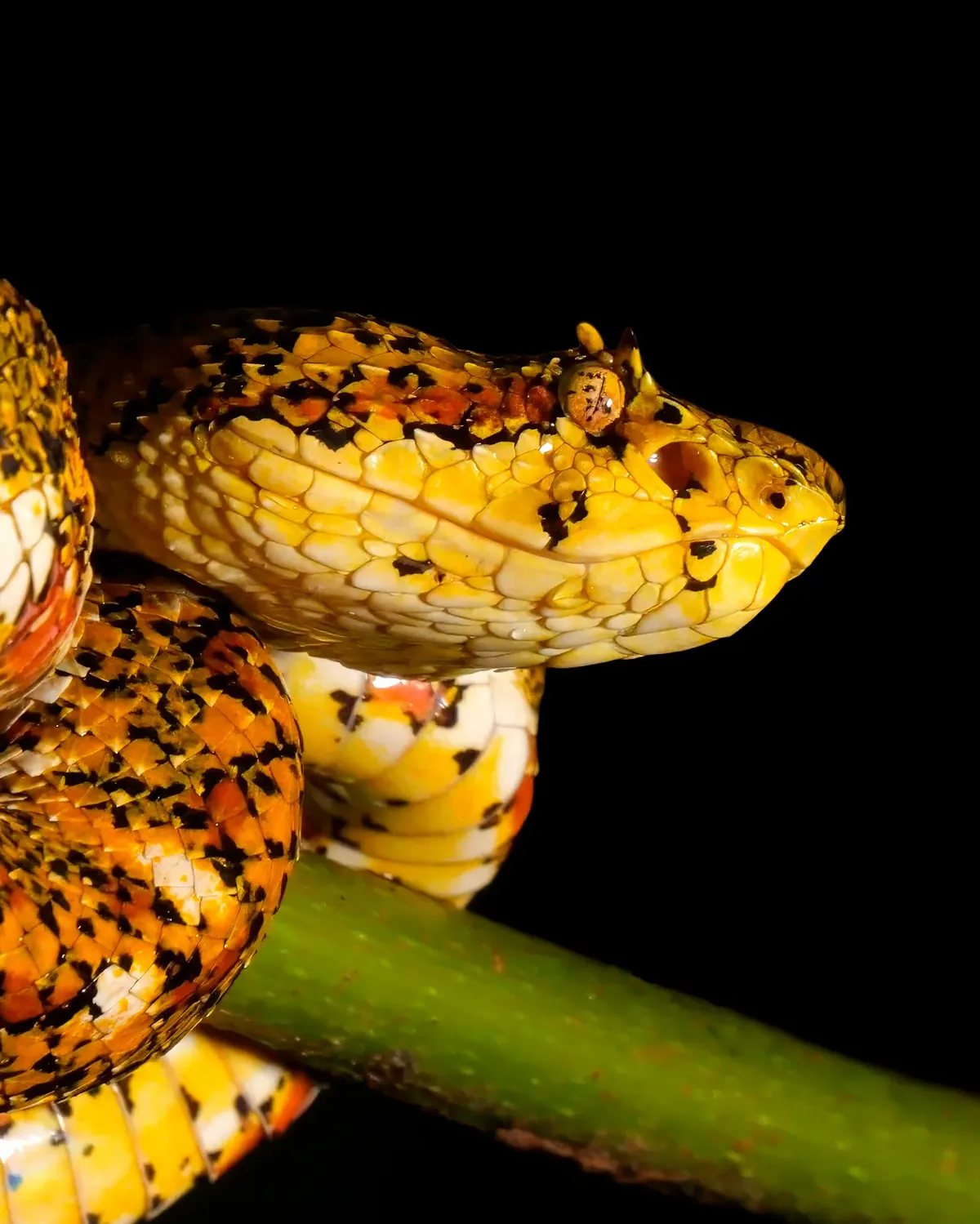
Night tours reveal red-eyed tree frogs, glass frogs and eyelash vipers.
Tenorio Volcano National Park and its sky-blue river are a short drive away.
Featured local guides
If you only book one thing in Bijagua, make it a guided tour. Bijagua Nature Tours runs private outings led by certified naturalists from the valley, guides who know which fig tree the toucans are feeding in this week and where the tapirs crossed last night.
 from $50
Near Bijagua
A flashlight walk as the forest wakes up: tree frogs, sleeping birds, sloths and, with luck, snakes. Lights are provided. Private groups of 2 to 8.
Tour details & booking (opens bijaguanaturetours.com)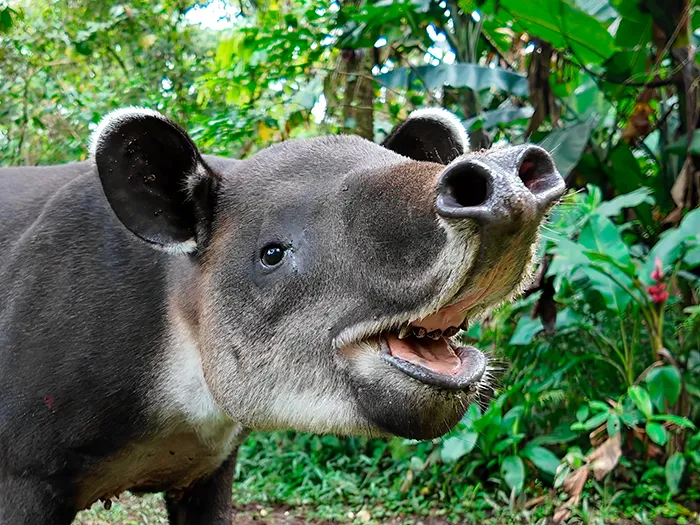 from $120
Tapir Valley Nature Reserve
A private night walk in the reserve where Baird’s tapirs are most active after dark, with eyelash vipers, frogs and insects along the trails.
Tour details & booking (opens bijaguanaturetours.com)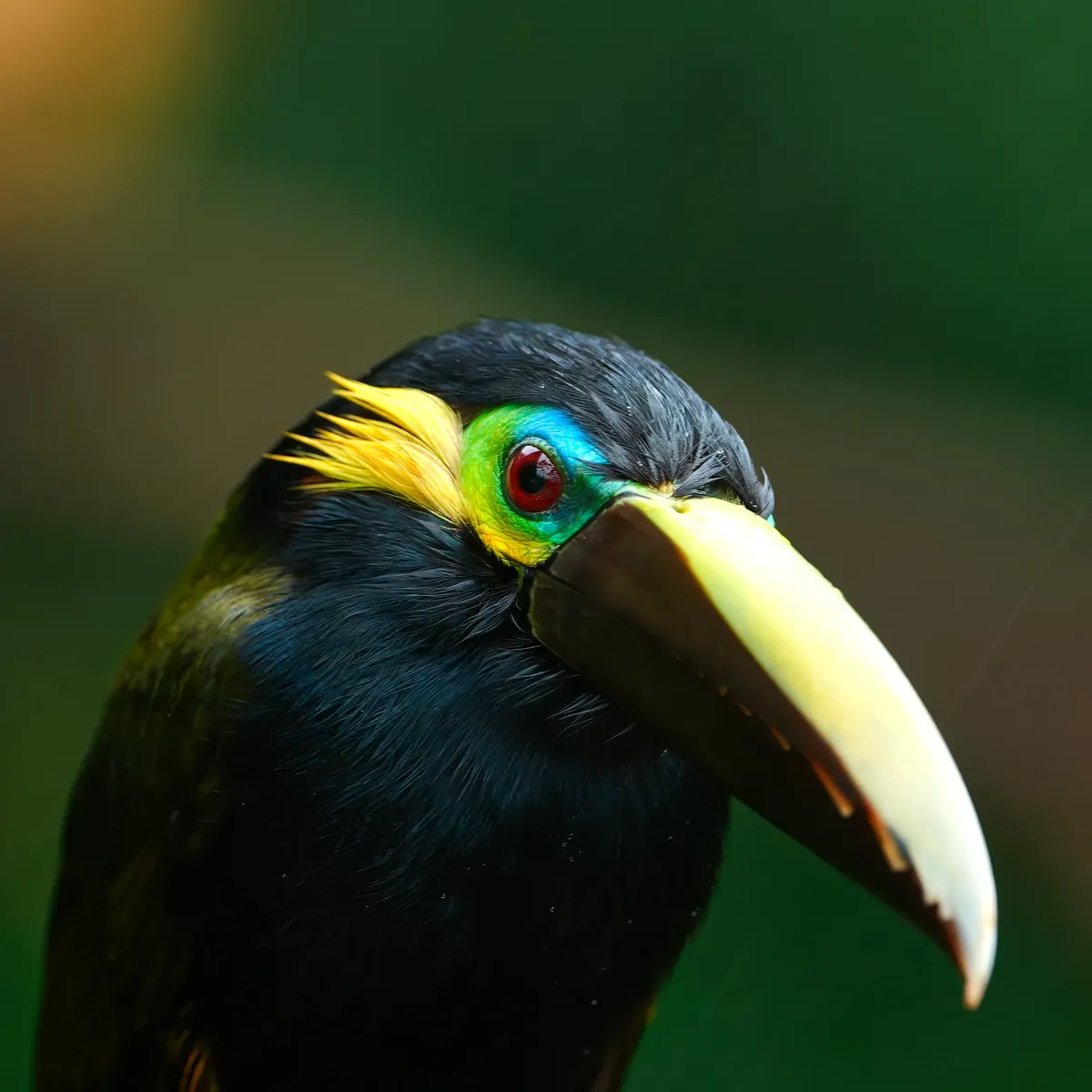 from $110
Tapir Valley Nature Reserve
Dawn birding across lagoon, wetland and forest. The company often logs around 100 species on a morning outing. Private groups of up to 6.
Tour details & booking (opens bijaguanaturetours.com)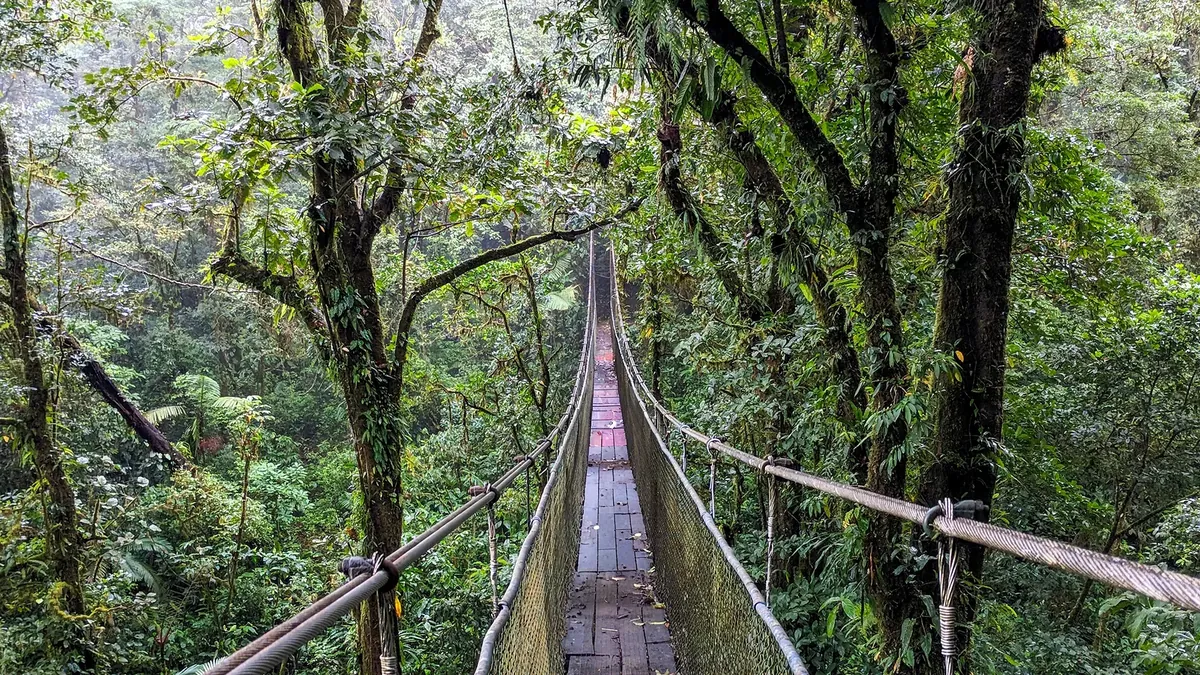 from $65
Heliconias Rainforest Lodge
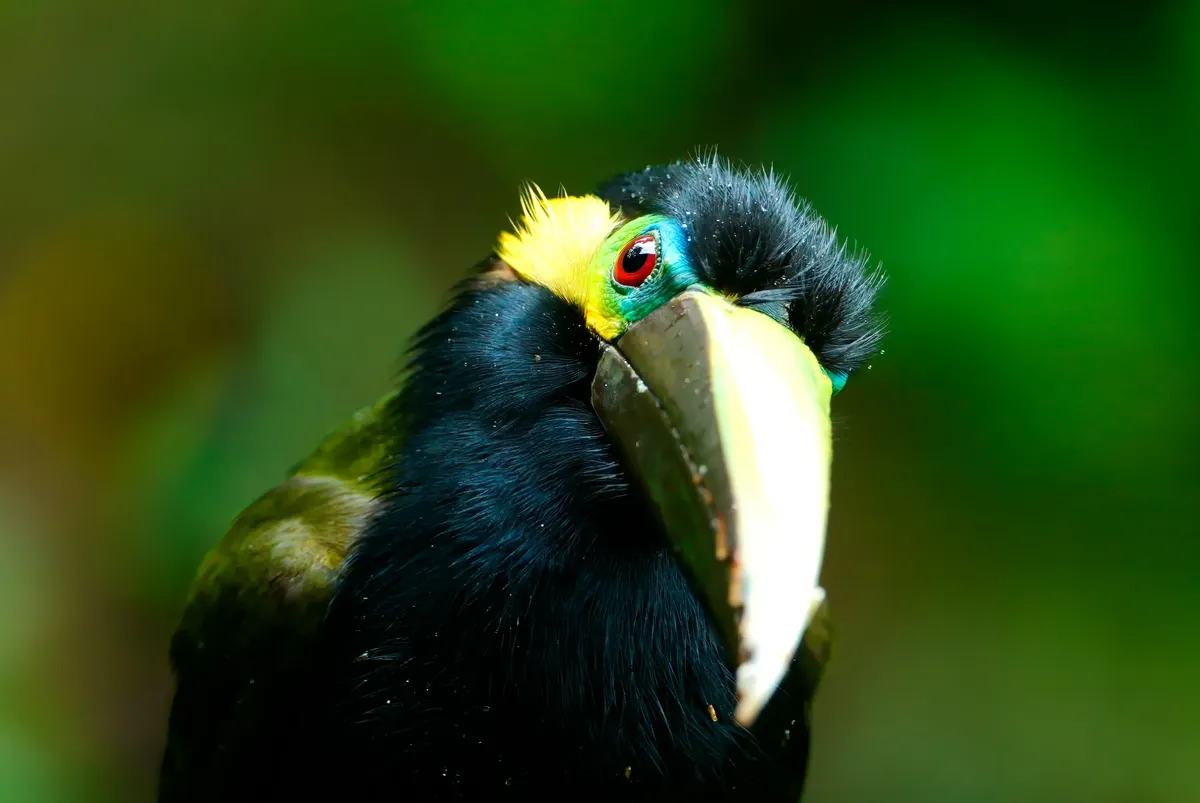
Walk the canopy bridges at Heliconias with a guide who knows where to look for Tody Motmot, Yellow-eared Toucanet and Black-eared Wood-Quail.
Tour details & booking (opens bijaguanaturetours.com)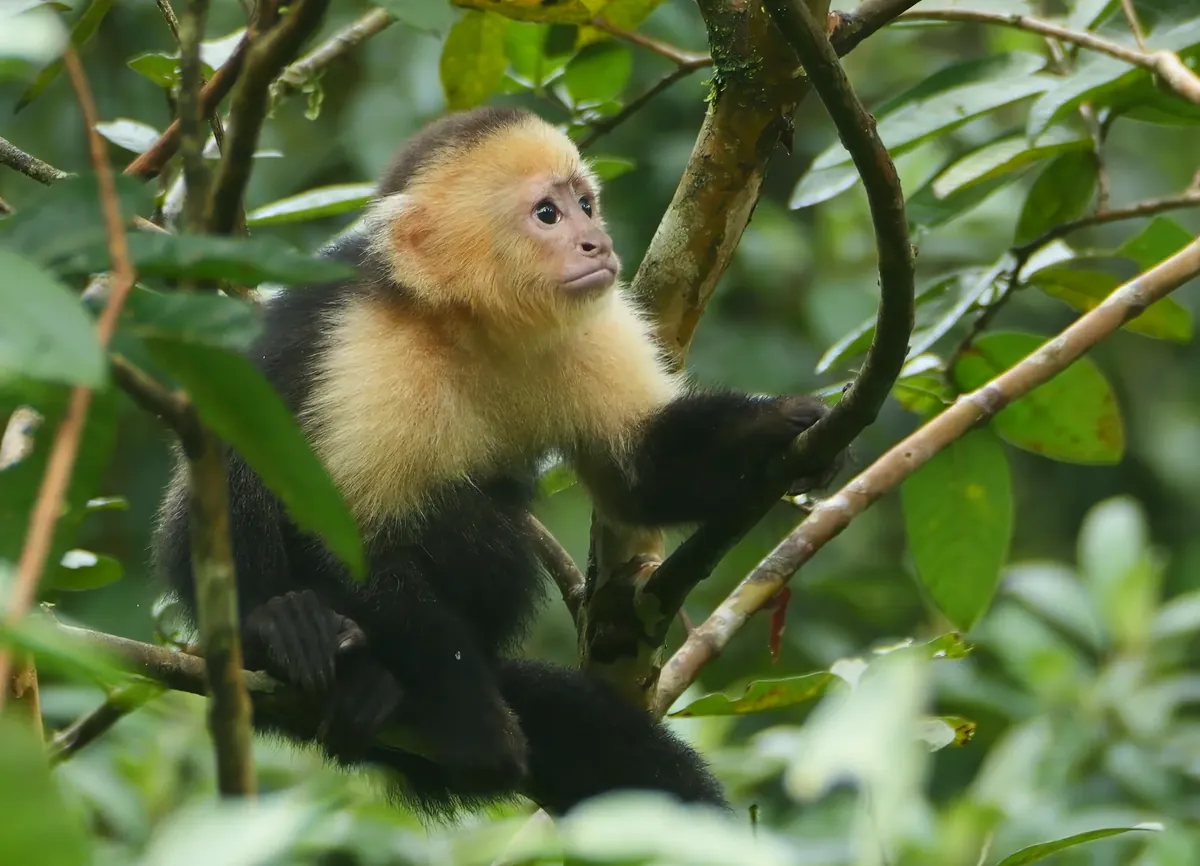 from $50
Near Bijagua
An easy, family-friendly walk for first-timers: toucans, motmots, hummingbirds, sloths and monkeys in the forest near town.
Tour details & booking (opens bijaguanaturetours.com)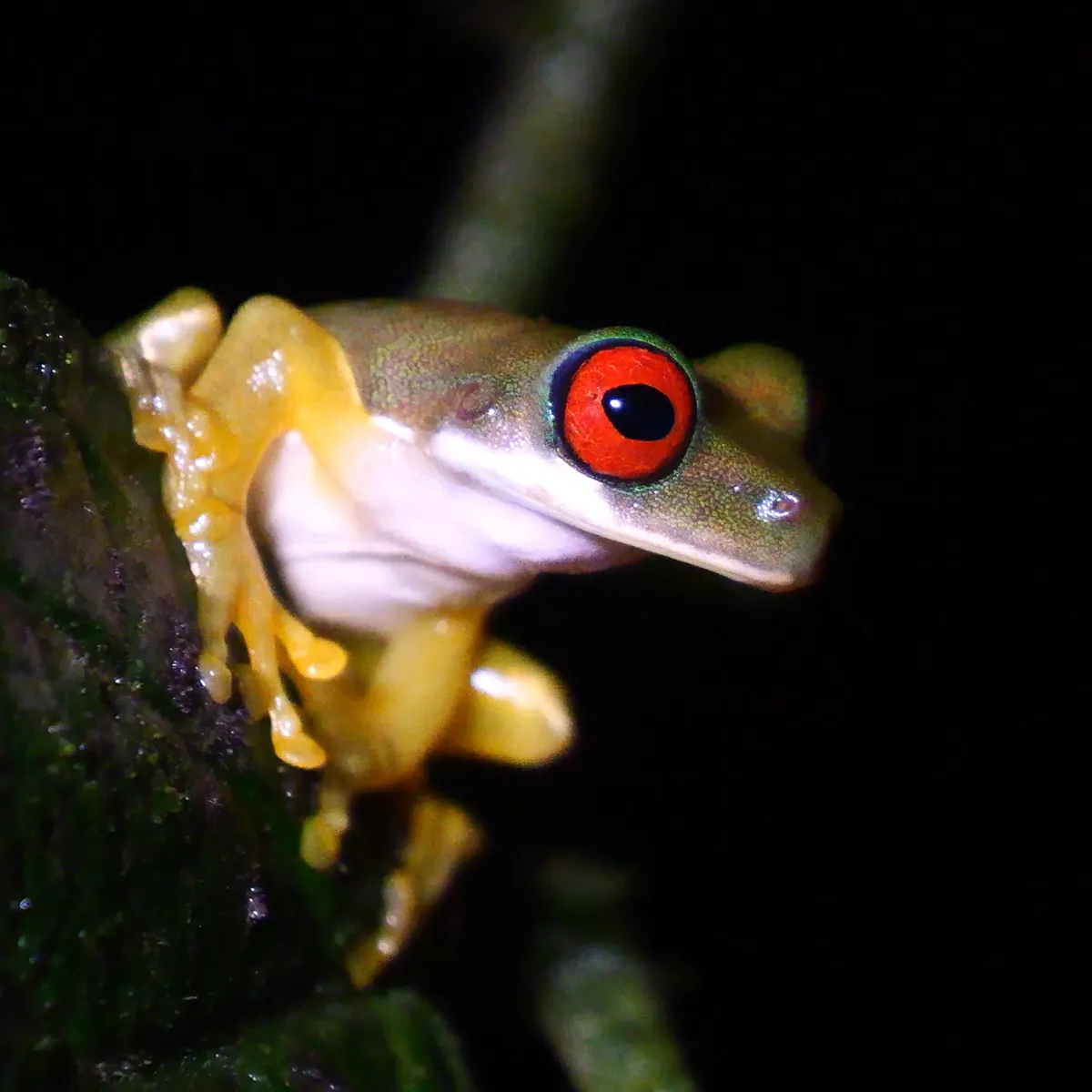 from $50
Frog’s Paradise
Flat, easy trails through a family reserve packed with frogs, and a good chance of snakes too.
Tour details & booking (opens bijaguanaturetours.com)The wildlife
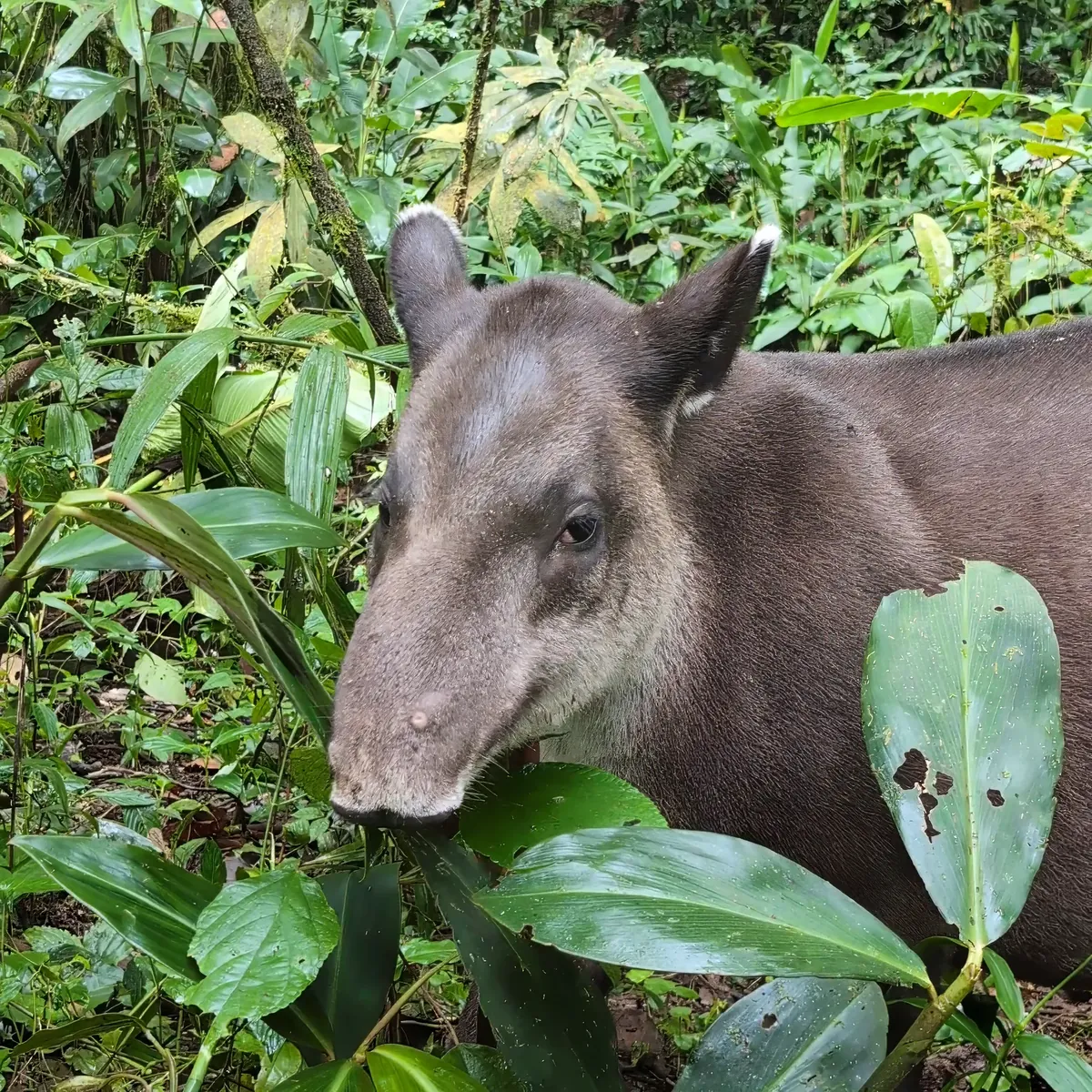
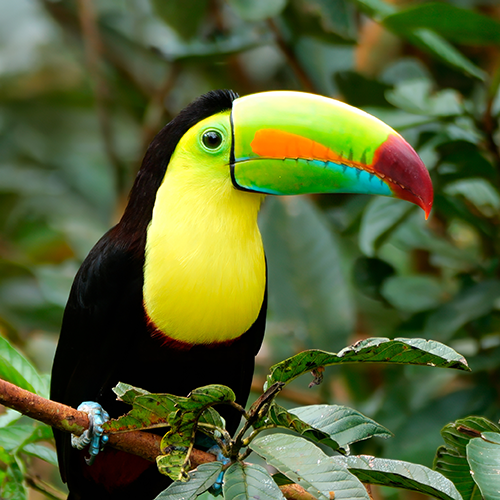
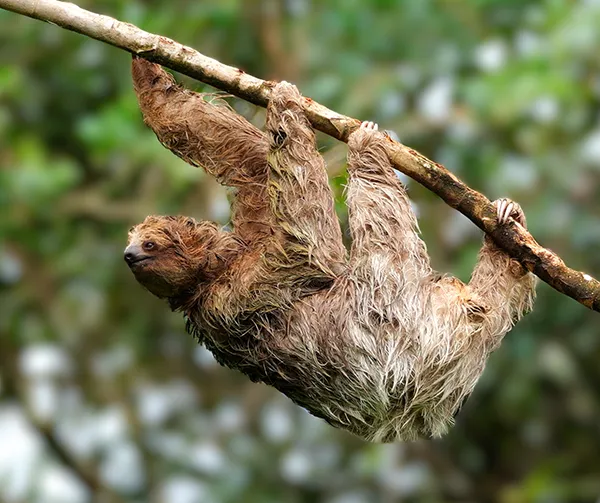
From a 300-kilogram tapir to a hummingbird that weighs about as much as a coin, Bijagua’s wildlife comes in every size and color. Here are a few of the locals.
Meet the star
Central America’s largest land mammal looks like part horse, part rhino, with a nose like a short trunk. It is endangered across its range. In Bijagua, it is making a comeback.
When three local families began restoring an old cattle ranch at the foot of Volcán Tenorio, the tapirs followed. A mother and calf were first seen in 2016. Today at least six or seven tapirs use Tapir Valley, and the guides know many of them by name:
Places to explore
Five very different ways to experience the valley, from tapir-tracking at dusk to swimming beneath a jungle waterfall.
Private nature reserve
Costa Rica’s best shot at a wild Baird’s tapir
A former cattle ranch at the foot of Volcán Tenorio, restored by three local families into lagoon, wetland and rainforest. Endangered Baird’s tapirs returned in 2016, and today they are seen regularly on the reserve’s morning and night tours.
Wildlife tours & forest restoration
Sloths, tapirs and a farm growing back into rainforest
A working farm on the edge of town that is being returned to rainforest. Local naturalists lead easy, accessible walks for sloths, toucans and birds, and Baird’s tapirs regularly browse on the property. Every tour helps fund the replanting.
Family private reserve
A family reserve that comes alive after dark
A 5.5-hectare family reserve, reforested since 1992, with three protected springs and a wetland where frogs breed. Its easygoing night tour is one of the best introductions to Bijagua’s red-eyed tree frogs, glass frogs and blue jeans frogs.
Rainforest lodge & hanging bridges
Hanging bridges through 70 hectares of primary forest
A rainforest lodge set in roughly 70 hectares of primary forest above Bijagua. Its trail crosses three hanging bridges high in the canopy, and it is one of the best-known local sites for Tody Motmot, Yellow-eared Toucanet and Black-crested Coquette.
Lodge & waterfall trail
Wooden bungalows and a private trail to a jungle waterfall
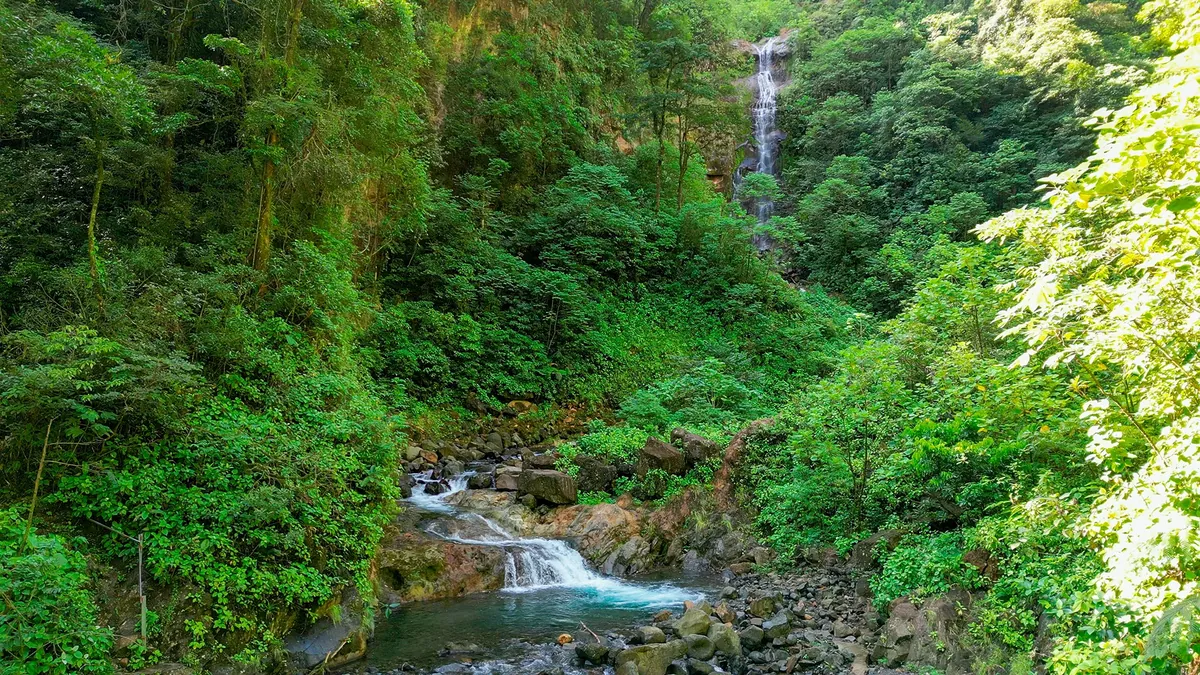
A family-built lodge, open since 2004, at the foot of Volcán Miravalles. A private 5.2 km trail leads from the bungalows across suspension bridges and past three viewpoints to a 15-meter waterfall with swimming pools.
Plan your trip
Bijagua is an easy stop between Arenal and the Guanacaste beaches, and a natural base for Río Celeste.
About 1.5–2 hours by road from Liberia airport (LIR) via Cañas and Route 6, and around 3.5–4 hours from San José.
Directions & drive timesWildlife is here all year. February to April is usually driest; the green season brings afternoon rain and the loudest frog choruses.
Seasons & weatherWake up in the forest at Heliconias Rainforest Lodge or Cataratas Bijagua Lodge, with trails right outside your door.
Lodging optionsGood to know
Yes. Endangered Baird’s tapirs are seen regularly at Tapir Valley Nature Reserve, especially on evening and night tours, and they also browse at Green Hill. They are wild animals, so no sighting is ever guaranteed, but Bijagua is one of the most reliable places in Costa Rica to try.
Start with a night tour. After dark the forest fills with tree frogs, sleeping birds, sloths and snakes that are almost impossible to find by day. The Bijagua Nature Tours Night Jungle Tour leaves daily at 5:00 pm, and Frog’s Paradise runs a family-friendly night walk at 5:30 pm. Add a dawn walk the next morning for toucans and hummingbirds.
Excellent. Bijagua sits on the Caribbean foothills, home to specialties such as Tody Motmot, Snowcap, Black-crested Coquette and Yellow-eared Toucanet. Tapir Valley alone reports more than 440 species, and a guided morning there often turns up around 100.
Two or three nights is ideal. That gives you time for a night tour, a dawn birding walk, the Heliconias hanging bridges and a hike to Río Celeste without rushing. See our three-day itinerary.
Some trails, like the Cataratas Bijagua waterfall trail, can be walked on your own. But a local naturalist will spot far more wildlife than you will alone (the sloth curled up 30 meters overhead, the viper on the branch beside you), and night walks are always guided.
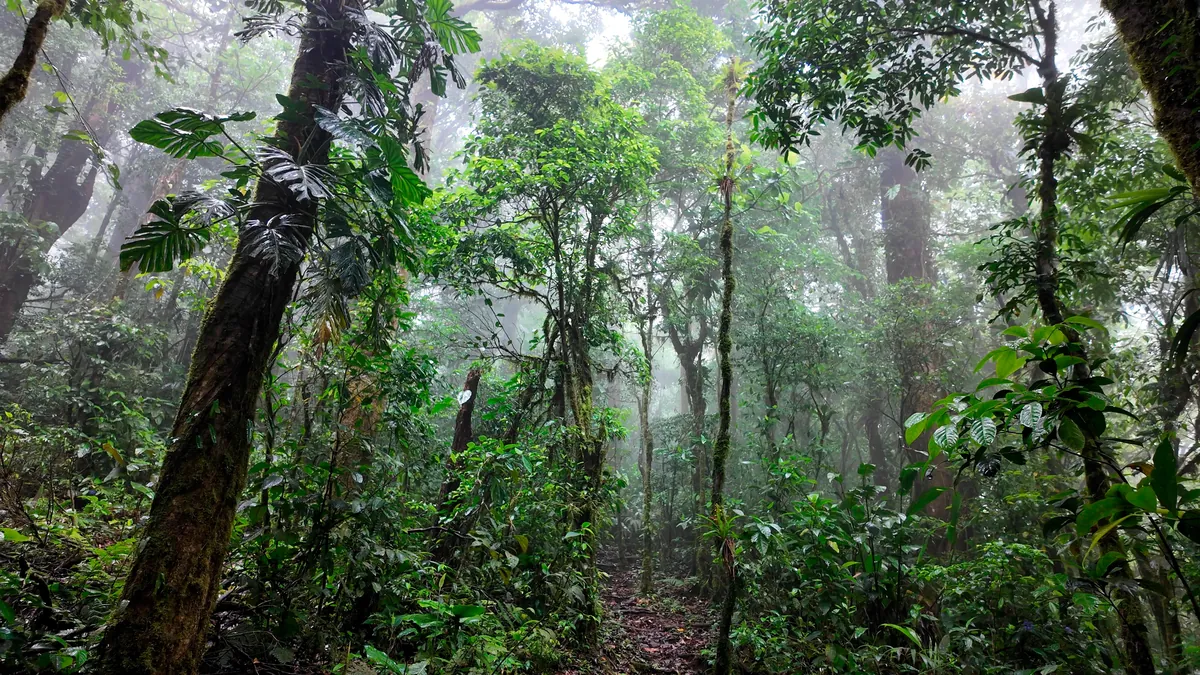
Explore with a local naturalist
Bijagua Nature Tours runs private day and night tours across the valley, from Tapir Valley to the Heliconias hanging bridges.