Private nature reserve
Tapir Valley Nature Reserve
A cattle ranch turned wildlife refuge at the foot of Volcán Tenorio, and Costa Rica’s best shot at meeting a wild Baird’s tapir.
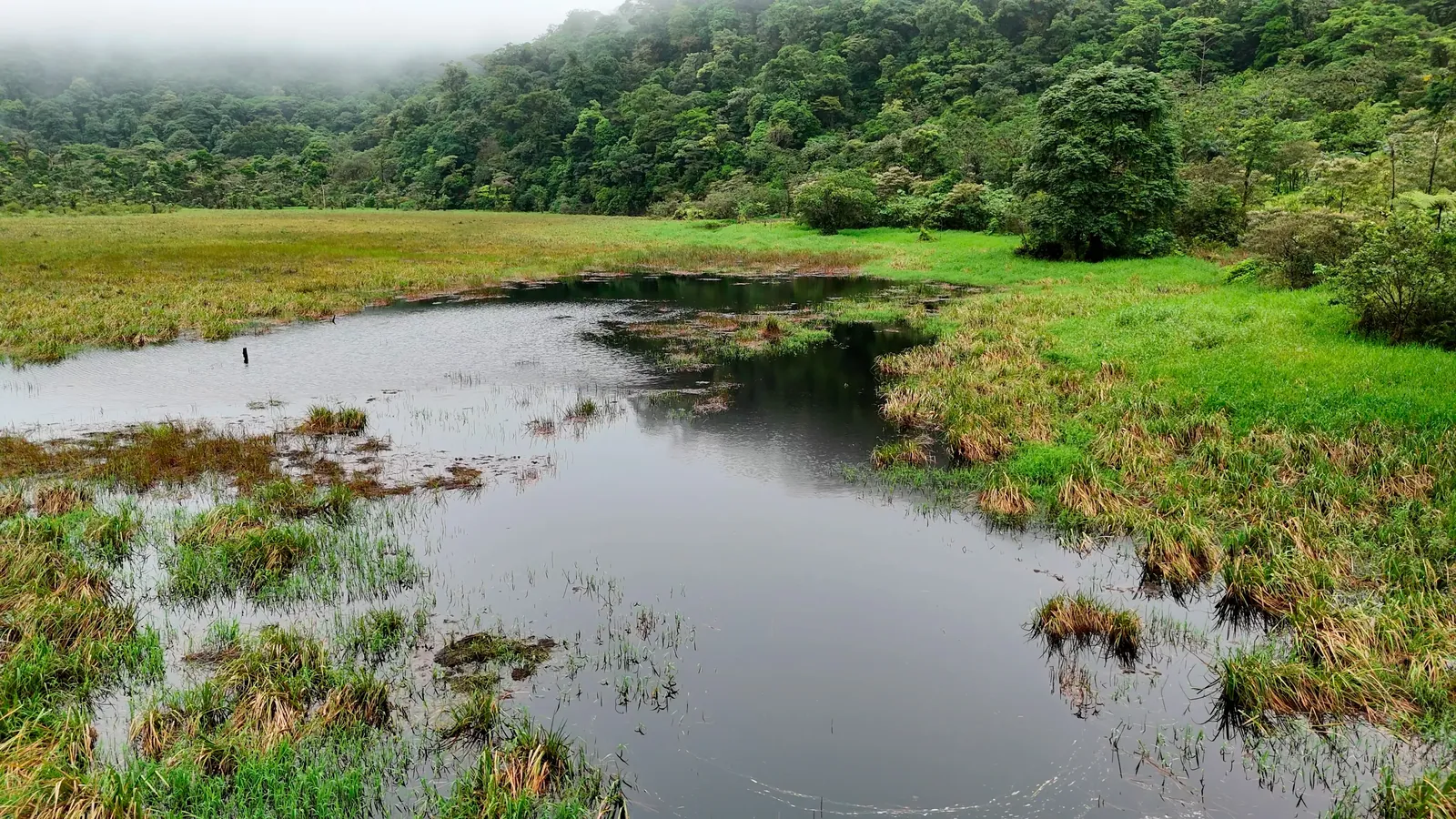
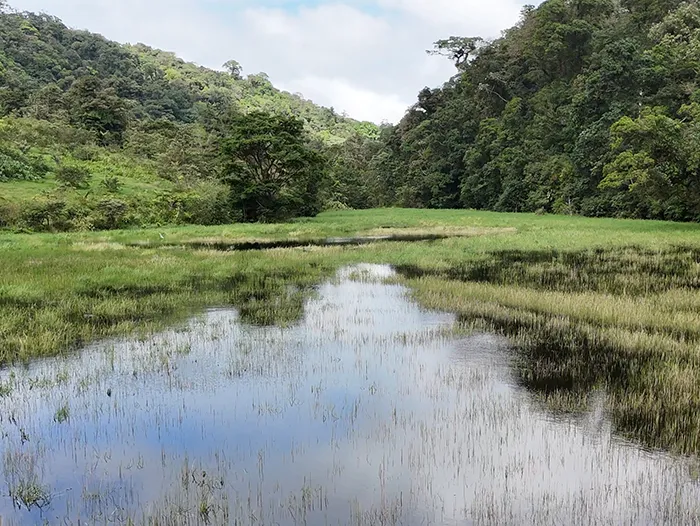
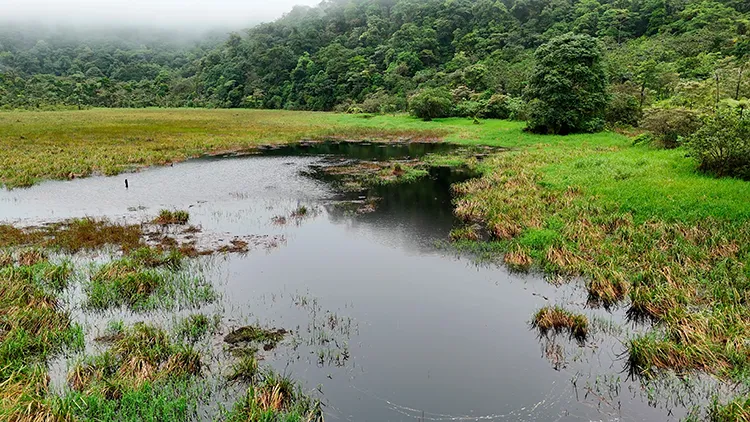
Pictured The lagoon at Tapir Valley
In 2005, three local families bought a 100-hectare cattle ranch about 10 kilometers outside Bijagua, right next to Tenorio Volcano National Park. They bought it for the birds. What happened next turned it into one of the most remarkable conservation stories in Costa Rica.
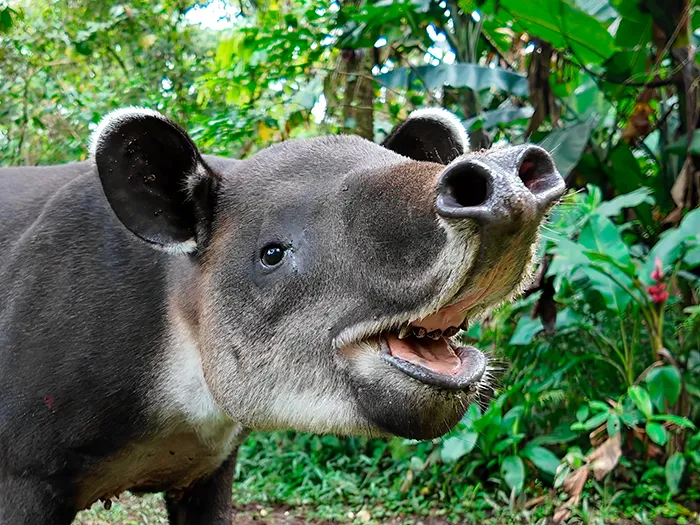
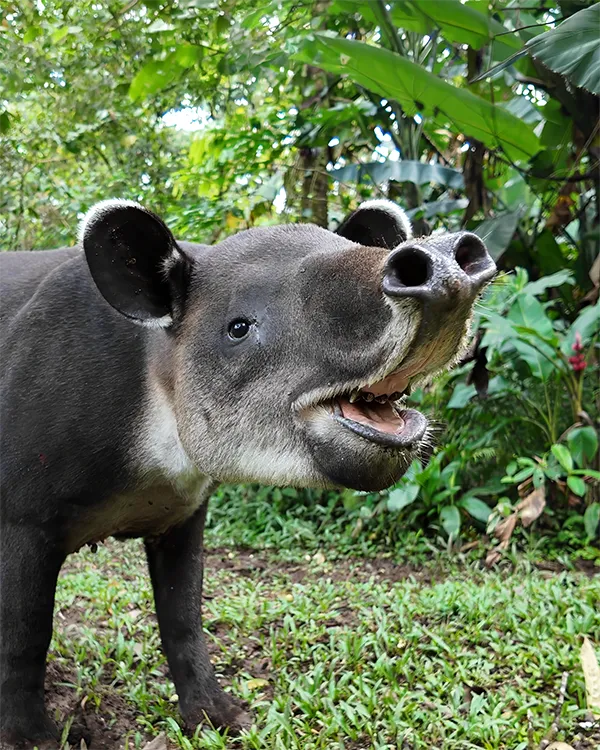
The cattle were moved out, the old lagoon was restored, and native trees were replanted across the lower pastures. In 2016, a female Baird’s tapir and her calf walked out of the forest. Once rare in the area, tapirs have since become regular residents. At least six or seven now use the reserve, and they have started moving down through the valley toward Bijagua itself.
The tapirs here have names: Mamita, the matriarch who has raised at least ten calves, her daughter Lunita, and youngsters Julian and Gaia.
The habitats
Tapir Valley packs several ecosystems into one walk, which is why it is so rich for wildlife:
- Restored lagoonOpen water and reed beds for herons, ducks and kingfishers, and a favorite tapir hangout.
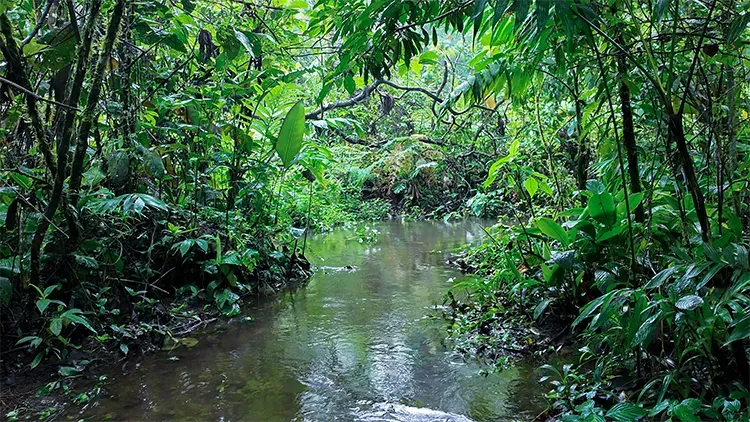
- Forested wetlandFlooded forest where frogs breed and tapirs browse at night.
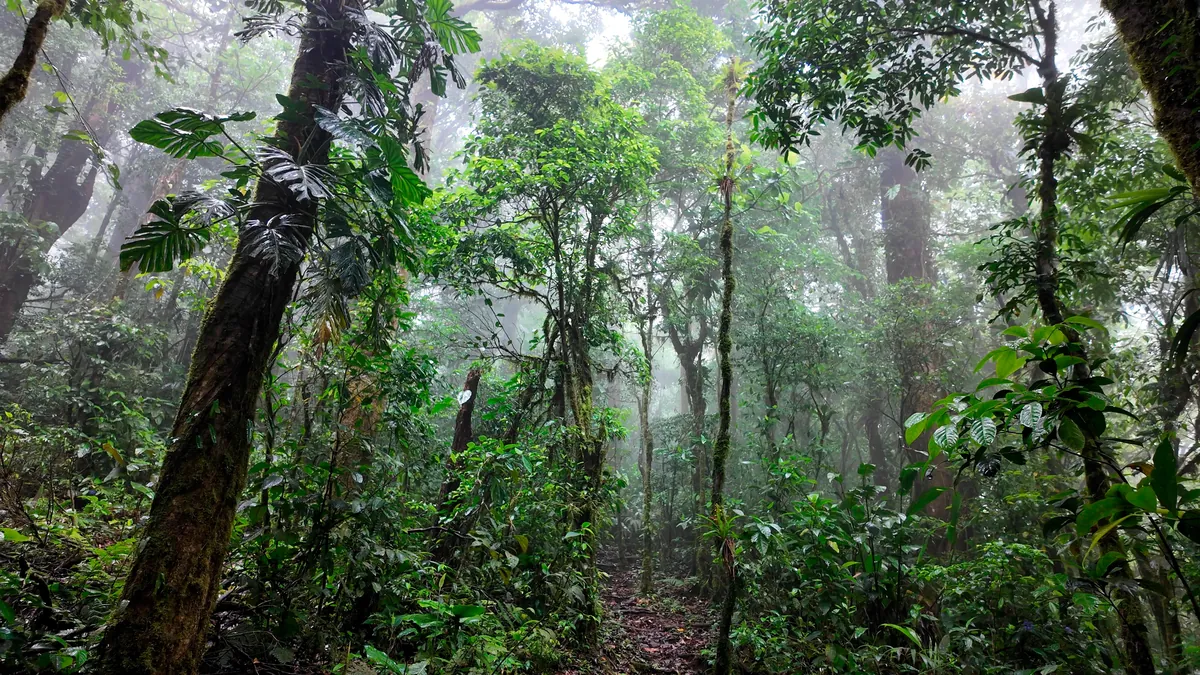
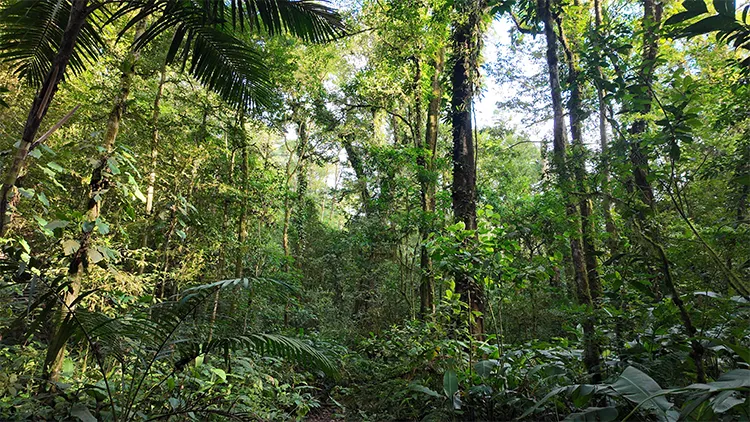
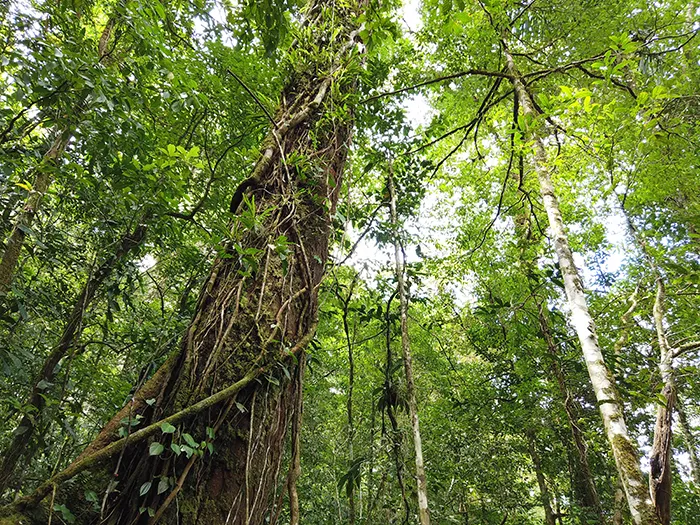
- Primary rainforestOld-growth forest connected to Tenorio Volcano National Park.
- Regenerating forestLower slopes replanted since 2016, already full of birds.
Wildlife at Tapir Valley
Baird’s tapirs are the headline. Central America’s largest land mammal is listed as endangered, and the reserve focuses on protecting it through habitat restoration, research and monitoring, and anti-poaching work. Tapirs are most active from dusk into the night, which is why the night tour is the one to book if they are your priority.
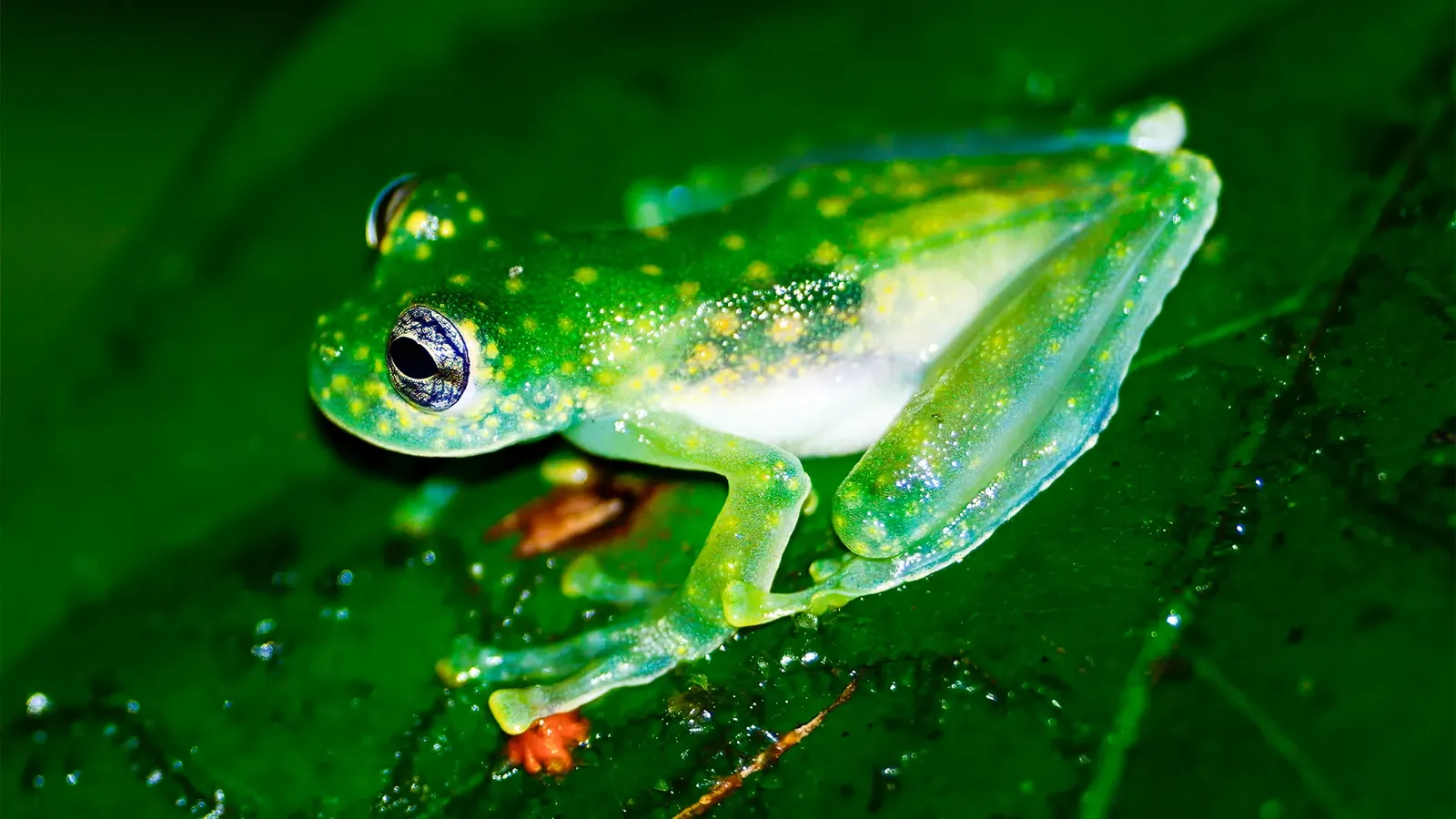
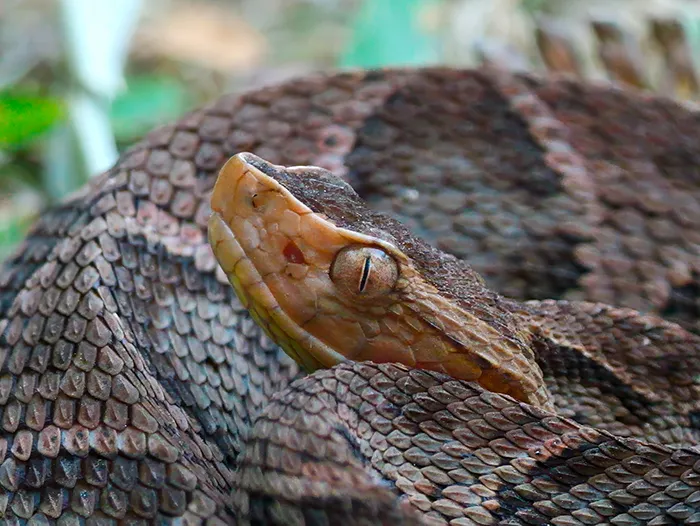
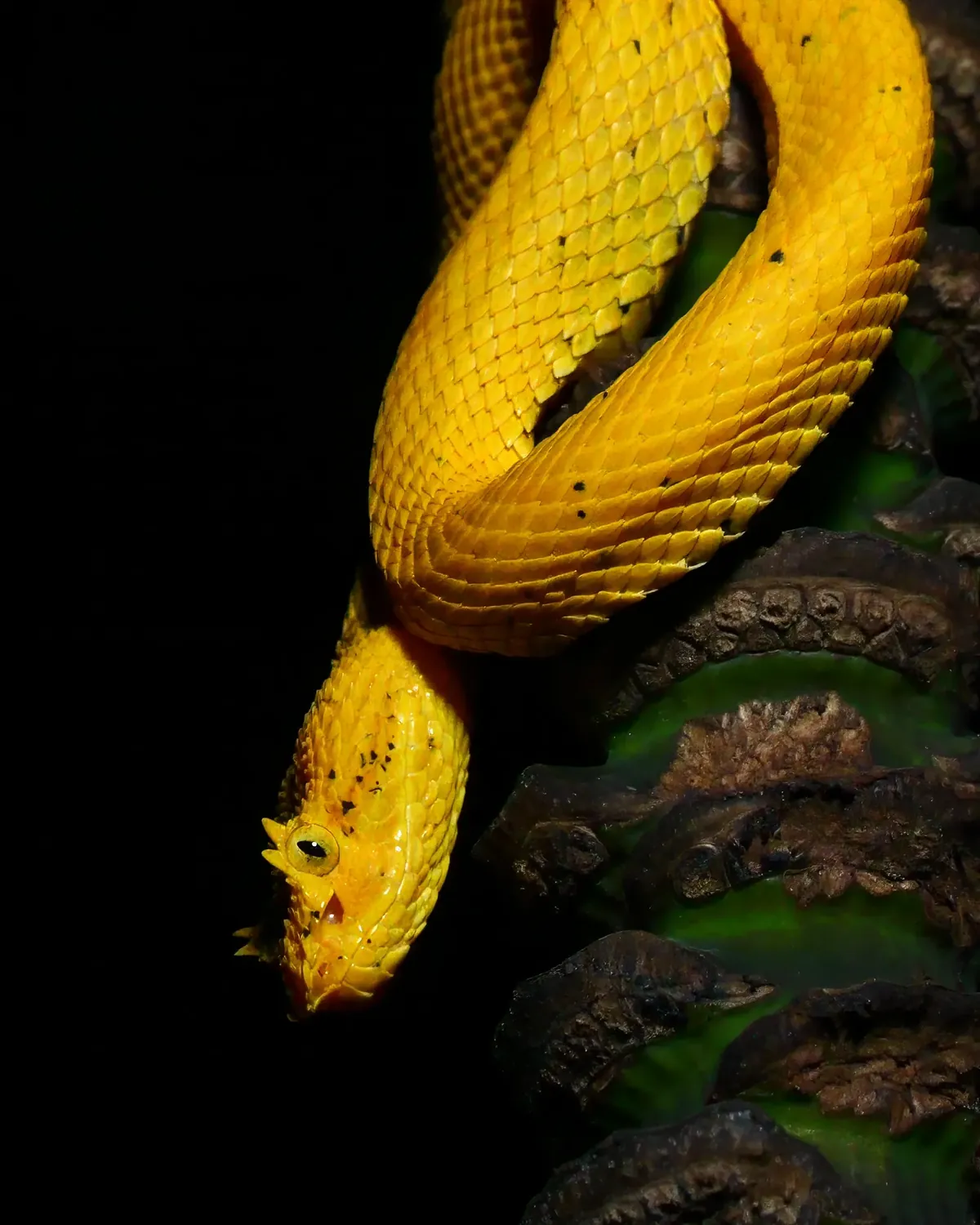
The reserve also reports more than 440 bird species, including Keel-billed Toucan, Yellow-eared Toucanet, trogons, Snowcap, Black-crested Coquette, Violet-headed Hummingbird, Rufous-tailed Jacamar, Crested Guan, White-collared Manakin and Spotted Antbird. Howler monkeys, white-faced capuchins and agoutis are seen on day walks. After dark, guides turn up glass frogs, red-webbed tree frogs, eyelash vipers and fer-de-lance. The reserve counts more than 50 species each of frogs and reptiles, including a tree frog it reports was described as a new species in 2021, Tlalocohyla celeste.
Tours at the reserve
All visits are guided by naturalists, in small groups of up to eight. The reserve itself runs two tours:
| Tour | Time | Includes |
|---|---|---|
| Morning Birding & Nature Tour | 6:30–10:00 am | Light breakfast of fruit and coffee; rubber boots |
| Jungle Night Tour | 5:30–8:30 pm | Lights and rubber boots |
Book directly through the reserve’s online booking page, linked from tapirvalley.com.
Go with a local guide
Private tours of Tapir Valley
Prefer your own guide and your own pace? Bijagua Nature Tours runs private tours inside Tapir Valley, from a dawn birding walk to a night search for tapirs. Groups meet at the reserve reception.
- Tapir Valley Night Tour3 hours · from $120
- Tapir Valley Birdwatching Tour3 hours · from $110
- Half-Day Tapir Valley Birding TourAbout 5 hours · from $150
Tips for your visit
- For tapirs, go at night. Dusk and the first hours of darkness are peak tapir time.
- Dress for wet ground. Boots are provided, but bring long sleeves, a rain layer and DEET or picaridin repellent.
- Stay quiet and keep your distance. Tapirs are calm but powerful animals. Follow your guide’s lead and never feed wildlife.
- Pair it with Río Celeste. The reserve borders Tenorio Volcano National Park, so it is easy to combine with a morning at the park.